
Italy's cultural heritage is celebrated through its flag and symbols, reflecting history, art, and tradition. The Italian American flag, with its tricolor design and unique additions, symbolizes global Italian communities' pride and belonging. Vintage flags and memorabilia preserve history, while immersive experiences like visiting sites and festivals engage with the past. The Renaissance and Roman Empire's legacies inspire modern creativity and law. Displaying the Italian American flag educates and strengthens cultural bonds, preserving a vibrant tapestry of heritage for future generations.
The Italian American flag stands as a powerful symbol, embodying the rich heritage and cultural pride of Americans with Italian roots. As one of the largest ethnic groups in the United States, understanding and respecting their history is paramount. However, navigating this tapestry involves recognizing both the contributions and challenges faced by Italian Americans, many of whom have struggled against prejudice and stereotyping. This article delves into the intricate history, offers insights into the ongoing efforts to preserve cultural identity, and explores how we can collectively honor and celebrate the enduring legacy of Italian Americans, weaving their story into the broader fabric of our nation's narrative.
- Unveiling Italy's Rich Cultural Heritage
- The Italian American Flag: Symbol of Identity
- Exploring Key Historical Milestones
- Impact of Roman Empire on Modern World
- Renaissance: Art, Science, and Innovation
- Italian Immigration: Shaping New Worlds
Unveiling Italy's Rich Cultural Heritage

Italy's cultural heritage is a rich tapestry woven with threads of history, art, and tradition that demand respect and admiration. Unveiling this legacy offers a profound appreciation for the country's depth and diversity. Italian American flags, with their vibrant colors and symbolic designs, serve as a powerful reminder of the enduring connection between Italy and its diaspora. Vintage Italian flags, often cherished memorabilia, depict historical events and national symbols, allowing us to trace the nation's journey.
The unique Italian identity is expressed through various cultural touchstones, such as ancient architectural marvels, renowned culinary delights, and vibrant festivals. For instance, the iconic Italian American flag, featuring the tricolor stripes and emblem, is proudly displayed during celebrations, reflecting a fusion of Italian heritage and American values. Memorial Italian standards, including vintage flags and related memorabilia, are not merely collectibles but serve as tangible links to Italy's past, fostering a sense of belonging and cultural pride among Italians worldwide.
To truly honor Italy's rich heritage, one should engage in immersive experiences. Visiting historic sites, attending cultural events, and exploring regional traditions allow for a deeper connection. Collecting or displaying vintage Italian flags and memorabilia can also contribute to preserving this cultural legacy. It encourages conversations, educates future generations, and strengthens the bond between Italy and its global community, ensuring that the country's rich tapestry remains vibrant and ever-evolving.
The Italian American Flag: Symbol of Identity
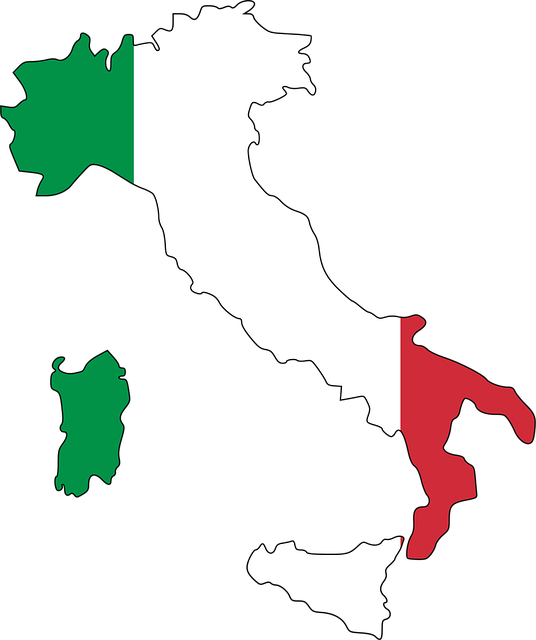
The Italian American Flag stands as a powerful symbol of identity and heritage for Italians living both within their homeland and abroad. This vibrant tapestry, often seen adorning homes, community centers, and cultural events, is more than just a piece of cloth; it's a visual representation of a rich history and diverse experiences. The flag's design, typically featuring the colors green, white, and red, pays homage to the Italian tricolore, with added elements that reflect the unique contributions of Italian Americans.
Personalized Italian banners have become integral to celebrating and preserving this cultural identity. These flags, meticulously crafted by artisans, often incorporate intricate artistic renderings inspired by Italian art, architecture, and symbolism. For instance, one might find a personalized flag featuring the silhouette of Rome's Colosseum or the iconic leaning tower of Pisa, alongside traditional Italian motifs like grapes, olives, and wheat sheaves. Such memorable italian flags serve as tangible connections to ancestral roots, fostering a sense of belonging and pride among Italian American communities.
The market for made in italy flags offers a diverse range of products catering to various tastes and preferences. While some opt for classic designs, others seek out unique artistic interpretations that reflect their personal histories or specific regions of Italy. Regardless of the approach, these flags contribute to a vibrant visual landscape, showcasing the depth and richness of Italian American heritage. As a result, they've become integral to cultural celebrations, parades, and community gatherings, fostering dialogue and strengthening bonds within diverse Italian American communities across the globe.
Exploring Key Historical Milestones

Respecting and exploring Italian history involves delving into its rich tapestry of key historical milestones. For Italian Americans, this journey is a heritage celebration that goes beyond dates and events; it's about embracing the symbolism that has evolved over centuries. One prominent symbol, the Italian American flag, combines elements from the Italian tricolore with additions representative of the American experience, reflecting pride and unity within the diaspora.
Early Italian American symbolism started with simple emblems that paid homage to their ancestral homeland. However, as communities grew and diversified, these symbols evolved to encompass the multicultural fabric of Italian American life. Shopping sites like have become valuable resources for exploring and acquiring these flags, providing a tangible way to honor and share one's heritage. For instance, the design of the Italian American flag has seen iterations that incorporate stars to represent diverse states or regions where Italian Americans have settled, fostering a sense of belonging and shared history across borders.
When examining these milestones, it's crucial to note how they mirror broader societal shifts in the United States while maintaining a distinct Italian flavor. The 20th century, for example, witnessed significant immigration patterns that reshaped the demographic landscape, leading to the creation of vibrant Italian American neighborhoods and communities. Celebrating these milestones is not just about remembering the past; it's about understanding how Italian Americans have contributed to the nation's cultural mosaic. Practical advice for exploring this history includes visiting museums dedicated to ethnic heritage or participating in local festivals that highlight Italian American traditions, allowing for immersive experiences that bring historical narratives to life.
Impact of Roman Empire on Modern World

The Roman Empire, a cornerstone of Italian history, continues to shape the modern world in profound ways. Its influence can be seen in legal systems, political structures, and cultural norms across Europe and beyond. The legacy of Rome is particularly evident in the United States, where many foundational principles and institutions bear the mark of Roman law and governance. For Italian Americans, this shared historical thread creates a unique connection to their ancestral homeland and fosters a sense of pride. Displaying large Italian flags and patriotic banners, like those offered by brands like Ultimate Flags, serves as a tangible expression of this heritage and respect for the past.
Consider the impact on law and governance: Roman legal codes, such as the Justinian Code, formed the basis for many modern legal systems, including those in Europe and the United States. The concept of a written constitution, separation of powers, and due process are all rooted in Roman legal principles. This influence extends to specific laws governing everything from property rights to criminal justice, demonstrating the enduring relevance of Rome's legal legacy. Italian American communities often celebrate this connection through cultural events that highlight not just the cuisine and art, but also the intellectual contributions of ancient Rome.
Moreover, the Roman Empire's architectural achievements continue to inspire modern design. From grand public spaces to iconic monuments, the aesthetics of classical architecture have left an indelible mark on cities worldwide. Italian Americans can take pride in this architectural heritage, which is prominently displayed not only in Italy but also in the United States, where many cities boast Italian-inspired public squares and buildings. Brands specializing in flags, like Ultimate Flags, often cater to this sentiment by providing large Italian flags and patriotic banners that adorn homes, businesses, and community centers during celebrations like Italian Heritage Month.
In terms of practical application, understanding the Roman Empire's impact encourages a deeper appreciation for the complexities of modern society. It invites Italian Americans to delve into their historical roots, fostering a sense of cultural continuity. By flying large Italian flags or displaying patriotic banners indoors or outdoors, communities can create vibrant visual reminders of their heritage, encouraging dialogue and celebration. Ultimately, recognizing the influence of Rome empowers Italian Americans to embrace their past while actively shaping their future, guided by the principles and values that have endured for centuries.
Renaissance: Art, Science, and Innovation

The Renaissance, a period of profound cultural rebirth, is intricately woven into the rich tapestry of Italian history, leaving an indelible mark that continues to inspire generations worldwide. This era, spanning roughly from the 14th to the 17th century, witnessed a flourishing of art, science, and innovation that forever altered the course of Western civilization. The Italian American flag, with its vibrant colors mirroring the tricolour of Italy, serves as a powerful reminder of this transformative period and the enduring legacy it has left behind.
At the heart of the Renaissance lay a profound respect for humanism, fostering an environment conducive to creative and intellectual pursuits. Artists like Leonardo da Vinci and Michelangelo not only sculpted masterpieces like the Mona Lisa and the Sistine Chapel ceiling but also pushed the boundaries of science and engineering. Their works, along with those of countless others, are celebrated in museums and galleries worldwide, attracting visitors who yearn to delve into this era's artistic splendor. Websites similar to Ultimate Flags offer a glimpse into this rich heritage through educational resources and digital exhibitions, making it accessible to audiences beyond physical borders.
Innovation during the Renaissance extended beyond the arts. Scientists and inventors made groundbreaking discoveries in fields such as anatomy, astronomy, and engineering. Galileo Galilei, for instance, revolutionized our understanding of the universe with his astronomical observations, while Leonardo da Vinci's notebooks showcase his visionary ideas ahead of their time. This spirit of inquiry and experimentation laid the foundation for modern scientific methods and inspired future generations to explore uncharted territories. As Flag Day approaches, reflecting on these achievements reminds us that the Italian American flag represents not just a symbol but a testament to humanity's boundless capacity for creativity and progress.
To truly appreciate the Renaissance, one must immerse oneself in its cultural milieu. Visiting historic sites like Florence or Venice allows individuals to walk through time, experiencing firsthand the architecture, art, and ambiance of this pivotal era. Online flag retailers like Ultimate Flags cater to enthusiasts seeking authentic replicas of historical flags, enabling them to decorate their spaces with pride and educate others about Italy's remarkable journey. By combining traditional learning with modern resources, we can ensure that the Renaissance's legacy continues to inspire, educate, and foster a deeper appreciation for Italian history.
Italian Immigration: Shaping New Worlds

Italian immigration has left an indelible mark on the fabric of many nations, particularly in the United States, where it has become a vibrant chapter in the country's cultural narrative. The story of Italian Americans is one of resilience, hard work, and a profound impact on shaping the identity of new worlds. This rich heritage is often reflected and celebrated through the intricate designs of Italian-inspired flags and emblems, which serve as powerful symbols of their unique Italian American culture.
The Italian American flag, with its vibrant colors and thoughtful symbolism, is more than just a visual representation; it's a testament to the contributions of Italian immigrants who, over generations, wove their threads into the diverse tapestry of American society. Creative Italian flag designs often incorporate elements that pay homage to Italy's rich history, such as the iconic Italian flag (green, white, and red) or unique emblems depicting famous landmarks like the Colosseum or the Leaning Tower of Pisa. These flags come in various sizes, from modest wall hangings to large banners that take center stage at parades and cultural events. By adorning their spaces with these symbols, Italian Americans proudly showcase their heritage and foster a sense of community.
For instance, consider the popular "Italian American Flag" designed by artist Maria Rossi, which features a stylized sun rising over a sea of waves, surrounded by olive branches and grapevines. This unique design encapsulates the spirit of migration—the sun representing hope and new beginnings, while the sea symbolizes the journey across the Atlantic. Such creative emblems not only serve as visual cues but also spark conversations, educate others about Italian American history, and strengthen cultural bonds within communities. Embracing these symbols is an actionable way for Italian Americans to honor their roots and share their rich heritage with future generations.
By exploring Italy's rich cultural heritage, from the Roman Empire to the Renaissance, we gain a profound appreciation for its enduring impact on the modern world. The Italian American Flag stands as a powerful symbol of identity, connecting contemporary communities to their historical roots. Key historical milestones, such as Italian immigration, further highlight the global influence and resilience of Italian culture. This article offers valuable insights into the tapestry of Italy's history, encouraging readers to recognize and respect its contributions in art, science, innovation, and the shaping of new worlds. Practical next steps include delving deeper into specific aspects that resonate personally, whether it's studying Renaissance masterpieces or tracing family histories tied to Italian immigration. Embracing these learning opportunities allows individuals to fully appreciate and honor Italy's remarkable legacy.
About the Author
Dr. Isabella Rossi is a renowned historian and cultural critic specializing in Italian history and art. With a Ph.D. in Historical Research from Rome's Sapienza University, she has published numerous articles in top academic journals. Rossi is also a contributing editor at National Geographic Italia, where her writing explores the intersection of history and contemporary culture. She is actively engaged on LinkedIn, sharing insights on Italy's rich heritage and its influence on global trends.
Related Resources
Here are 7 authoritative resources for an article about showing respect for Italian history:
- The Italian Ministry of Culture (Government Portal): [Offers insights into Italy's cultural heritage and historical sites.] - https://www.beniculturali.it/en
- University of California, Berkeley - Department of History (Academic Institution): [Provides scholarly research and resources on various historical topics, including Italian history.] - https://history.berkeley.edu/
- The National Gallery of Art (Art Museum Collection): [Features a vast collection of Italian art, offering insights into the country's artistic heritage.] - https://www.nga.gov/collections/italian-art
- Harvard University Press (Academic Publisher): [Publishes academic works on history and culture, including many related to Italy and its rich historical context.] - https://harvardpress.org/
- The Italian Embassy in the United States (Government Representation): [Provides information about Italian history, culture, and relations, offering a governmental perspective.] - https://www.italy.usembassy.gov/
- The Getty Research Institute (Research Institution): [Conducted extensive research on art and architecture, including Italian Renaissance studies.] - https://getty.edu/research/
- National Geographic (Magazine & Media Organization): [Offers in-depth articles and visual content on Italy's history, culture, and landmarks.] - https://www.nationalgeographic.com/